
Everything You Should Know About Prostate Health
Everything You Didn’t Know About Your Prostate If you are anything like the majority of men out there, you likely don’t think about your prostate unless you suspect a related…

Everything You Didn’t Know About Your Prostate If you are anything like the majority of men out there, you likely don’t think about your prostate unless you suspect a related…

 Often known as “The Clap,” Gonorrhea is a common sexually transmitted disease (STD) that affects about 78 million people around the world each year. Though this STD can be treated, it is a serious condition that can lead to complications if ignored.
Procrastination only makes matters worse, so it’s essential to test for gonorrhea as soon as you suspect you might have contracted the disease.
What Is Gonorrhea?
Gonorrhea is caused by the bacterium called neisseria gonorrhoeae. It can affect both men and women in the genitals, rectum, and throat as a result of any form of unprotected sexual activity.
Gonorrhea is especially unique because it can be passed from mother to baby during pregnancy. It’s even possible to experience gonorrhea and chlamydia simultaneously. (more…)

 Fibromyalgia is a painful condition that impacts million of Americans, but many have no idea that fibromyalgia is responsible for their suffering.
Fibromyalgia is defined as widespread and long-term body pain radiating from the muscles and connective tissues. It is often accompanied by other symptoms like headaches, fatigue, anxiety, and depression.
Though a specific cause has not yet been identified, potential triggers for fibromyalgia include allergies to foods or chemicals, hormonal imbalances, poor digestion, stress, and neurotransmitter deficiency. (more…)

 There are many painful symptoms that can arise as a result may different conditions. This makes it difficult to determine the underlying cause of your health issues or seek the right treatment. If problems like fatigue, migraines, and irritability continue to plague you, a mineral deficiency could be the root cause.
What Are Minerals
Just like vitamins, minerals play many critical roles in the maintenance of your body’s functions and growth. Minerals are elements in their simplest form, like iron, magnesium, and selenium. All nutrients in the body, including vitamins, amino acids, enzymes, proteins, carbohydrates, fats, and sugars cannot function properly without minerals. A dangerous combination of food processing and soil depletion has left much of today’s food sources lacking the minerals that the human body needs. (more…)


How often do you feel fatigued? Millions of Americans cope with chronic fatigue that leaves them feeling so tired that even simple daily tasks feel challenging.
If you can’t remember the last time that you made it through the day feeling energized and revitalized, you could be suffering from a hidden condition like anemia or lyme disease. Since fatigue is a symptom that occurs with such a range of illnesses, only an extensive blood test can identify the root of your problem.
Signs and Symptoms of Fatigue (more…)
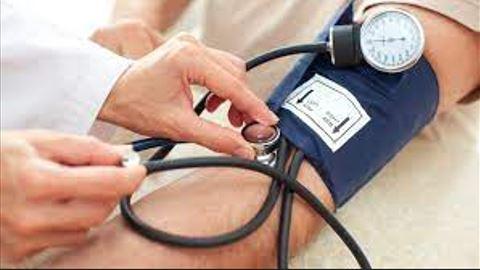
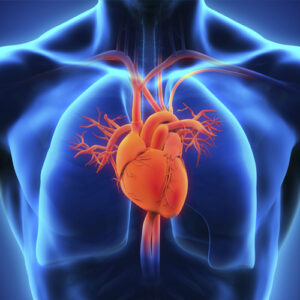
High blood pressure is known as the “silent killer” for a good reason. It occurs so gradually over time that you may not even realize the impact it’s having on your body. Worse yet, high blood pressure rarely causes obvious symptoms until they are life threatening.
The best way to protect yourself from high blood pressure is to be proactive. Just one simple test is all it takes to determine your blood pressure and start making the changes needed to improve your health.
High Blood Pressure Can Occur at Any Age
You may be surprised to learn that blood pressure threatens adults of all ages, not just older men and women. In fact, one in four men and one in five women in their 30s and 40s have high blood pressure.
Experts are concerned that the increased rate of strokes among young people is directly correlated to high blood pressure that develops as a result of obesity and diabetes. Since checking your blood pressure is just as simple as taking your temperature, it’s very easy to check it regularly and remain alert for any problems. (more…)

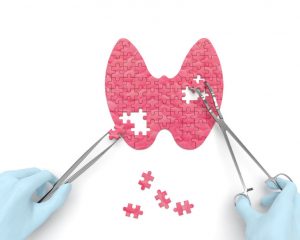
Fatigue, chronic pain, and depression aren’t conditions themselves. They are signs that your body is experiencing a larger imbalance that is causing significant symptoms. What is the true, root cause of your ongoing discomfort and misery? You deserve to find out!
More than 25 million Americans suffer from some sort of thyroid disorder, yet only a fraction of them know that the thyroid is to blame for their symptoms. If you are experiencing health difficulties but you’re not sure why, a thyroid test could reveal the truth.
What is the Thyroid and its Disease?
You can find your thyroid at the base of your neck. It’s a small, butterfly-shaped gland that is supposed to make a very important hormone that controls how fast your body burns calories, how fast your heart beats, and more. (more…)
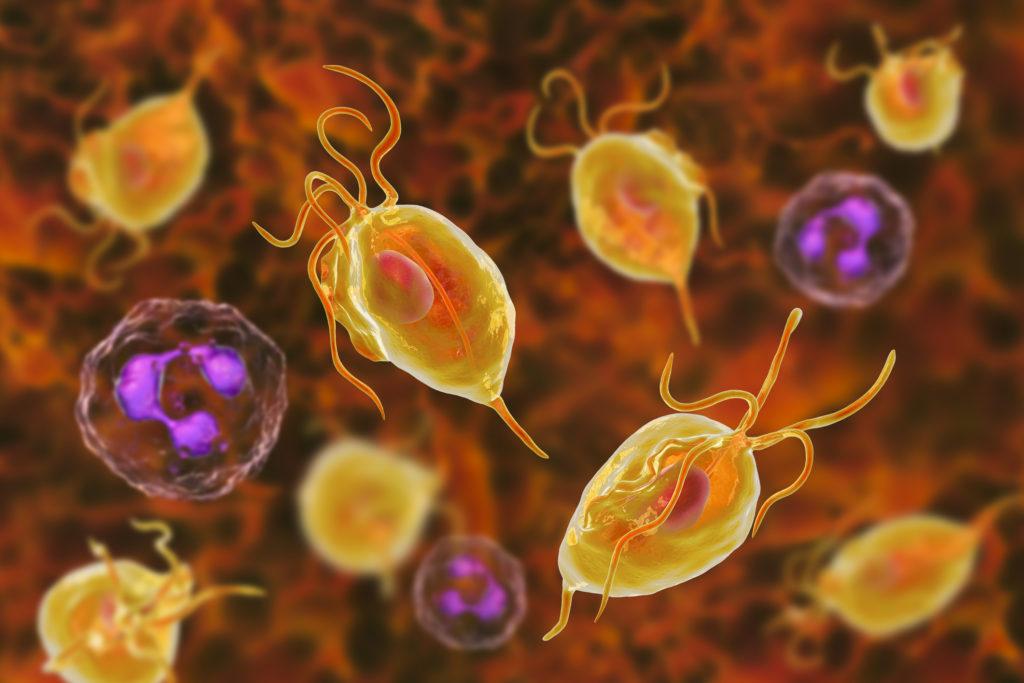
 Some health problems are glaring and obvious, like a broken leg or bloody nose. Others, like some common STDs, show very few signs that they have invaded your body. While it’s easy to assume that STDs only affect people who are reckless in their decision making, the truth is that any sexually active person is at risk of contracting a sexually transmitted disease. So how can you determine if you do have an STD?
Signs of Chlamydia and Gonorrhea
Chlamydia is the most common STD in America, and it can be spread through any type of sex. This means that condoms cannot prevent this disease. The most noticeable symptoms of chlamydia include abnormal discharge that has an odor, painful periods for women, itching and burning, and abdominal pain with fever. Fortunately, chlamydia is a bacteria that can be treated easily with antibiotics. (more…)
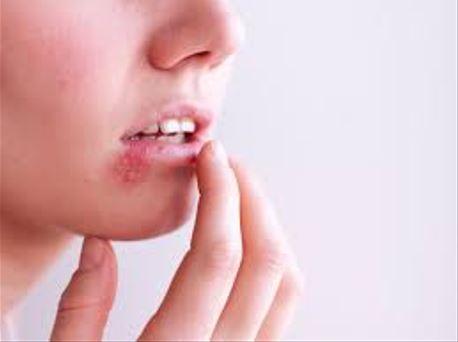
 As one of the most visible STDs, herpes is also one of the most notorious. This long-term condition can affect the face, external genitalia, and anal region. There is no cure for herpes, but it can be effectively managed with the right treatments.
There Are Two Types of Herpes
Herpes exists in two different forms. Oral herpes, also known as HSV-1, affects more than 50 percent of people in the United States. Genital herpes, or HV-2, affects about 16 percent of people in the country. People aged 14 to 49 are more likely to have herpes.
Sexual activity makes it possible for one type of herpes to transfer and cause the other type of herpes. For example, receiving oral sex from a person with oral herpes can lead to genital herpes. (more…)
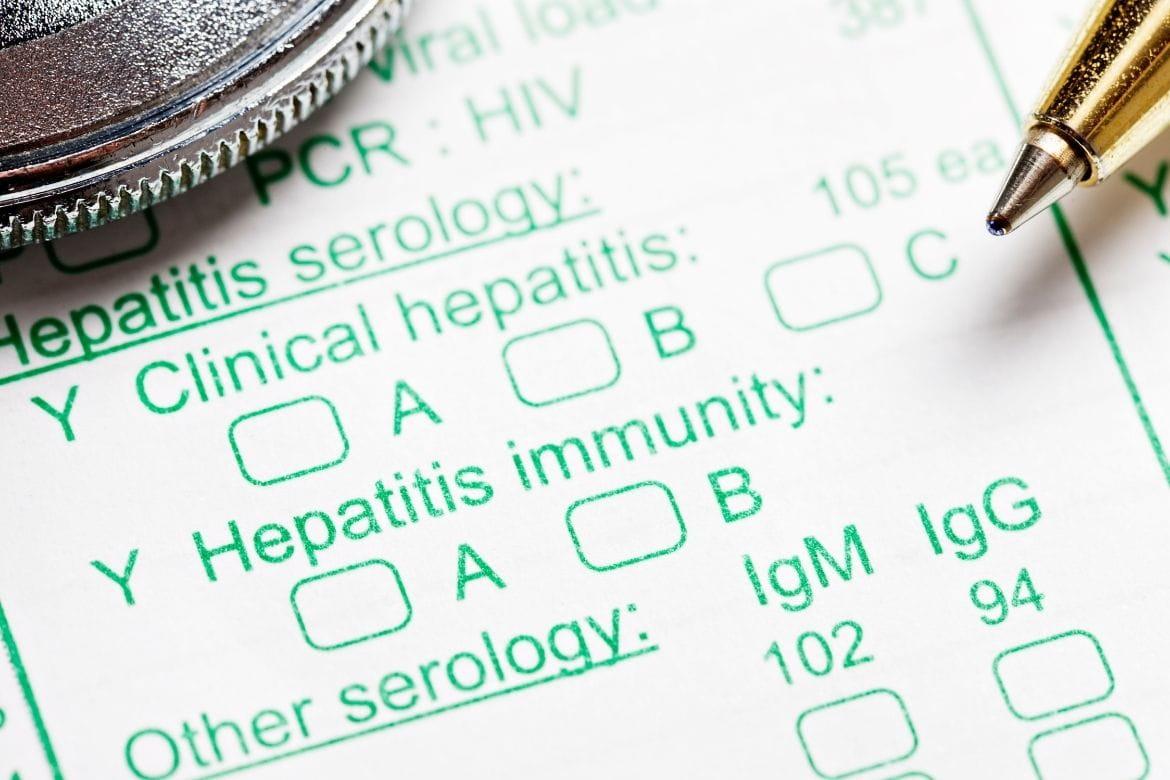
 Hepatitis is a serious health condition, but it does not always make itself known through obvious symptoms. The two types of Hepatitis, A and B, have specific differences that are important to identify in order to seek proper treatment. Timely testing and medical treatment is critical to protecting your health for the future.
What Is Hepatitis?
In general, hepatitis is defined as inflammation of the liver. Some cases of hepatitis are short lived, but others develop chronically over months or years. Viruses, alcoholism, and certain medications are all linked to the development of hepatitis. (more…)